Best 360 Cameras: Top Picks for Every Budget & Use Case
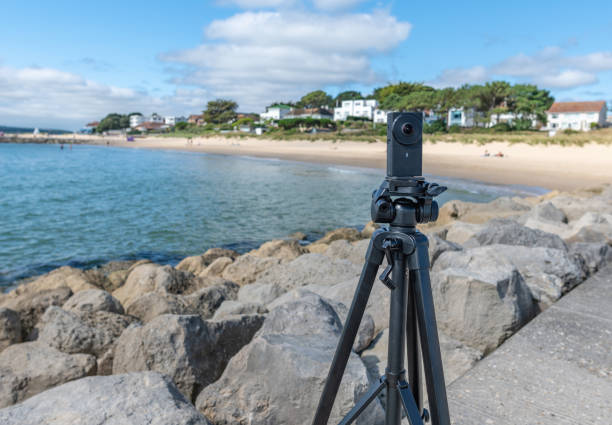
Not too long ago, 360-degree cameras were a niche tool used mostly by VR hobbyists and tech-savvy content creators. Fast forward to today, and they’re everywhere…from travel vloggers capturing stunning panoramic shots in Iceland, to real estate agents offering immersive virtual tours, to adrenaline junkies documenting their latest mountain bike descent.
As someone who’s tried more than a dozen 360 cameras over the years (yep, I even braved the clunky first-gen models), I can confidently say: there’s never been a better time to invest in a 360 camera. Whether you’re an aspiring YouTuber, a pro filmmaker, or just want to relive your adventures in full surround view, there’s a perfect 360 camera out there for you.
In this guide, we’ll walk through everything you need to know…from how 360 cameras work, to what features matter most, and which models are the best for your specific needs and budget.
What Is a 360 Camera?
A 360 camera (also called an omnidirectional camera) is a device that captures a full sphere of view. 360 degrees horizontally and vertically. Instead of just recording what’s directly in front of the lens, these cameras use multiple lenses (typically two ultra-wide-angle fisheye lenses) to record everything around them.
The result? A fully immersive video or photo you can explore interactively, as if you were standing right there. Perfect for VR content, YouTube 360 videos, virtual tours, and even just capturing moments from every angle so you don’t miss a thing.
Key Features to Look for in a 360 Camera
Not all 360 cameras are created equal. Here are the most important features to consider before hitting that “Buy Now” button:
Resolution & Image Quality (4K, 5.7K, 8K)
When it comes to 360 video, resolution matters a lot. Since the video is spread across a full sphere, even 4K can look soft when you zoom in. For sharper, more immersive footage, look for at least 5.7K resolution, with 8K or higher being ideal for professionals.
Tip: Always check whether the listed resolution is for individual lenses or the stitched final video. Some manufacturers stretch the truth a bit here.
Stitching Quality and Software
Stitching is the process of combining the footage from both (or more) lenses into one seamless 360° image or video. Poor stitching = visible lines or warping. Look for cameras with automatic, in-camera stitching and advanced post-processing software to clean things up.
Image Stabilization
This is a game-changer. The best 360 cameras come with FlowState, HyperSmooth, or similar stabilization tech that makes handheld footage look gimbal-smooth even when you’re running, biking, or skiing.
Battery Life
Shooting 360 video eats up battery fast. Expect 45 to 90 minutes on a full charge, depending on resolution and usage. Swappable batteries or external charging options are a big plus if you shoot all day.
Waterproofing & Ruggedness
Love action sports or travel content? Go for something waterproof, dust-resistant, and drop-tested. Some models are waterproof without a case, while others need external housings.
Live Streaming Capability
Want to go live on Facebook, YouTube, or VR platforms? Make sure your camera supports live 360 streaming and check that your phone or desktop is compatible too.
Editing Software & Mobile Apps
A good app can make or break your experience. Look for easy reframing tools, filters, AI editing, and a timeline editor that works well on mobile and desktop.
Compatibility (Android, iOS, Desktop)
Double-check OS compatibility before buying. Some cameras only offer full features on either iOS or Android. Desktop support is key if you plan to do more advanced edits.
Best 360 Cameras: Our Top Picks
1. Insta360 X4 – Best Overall
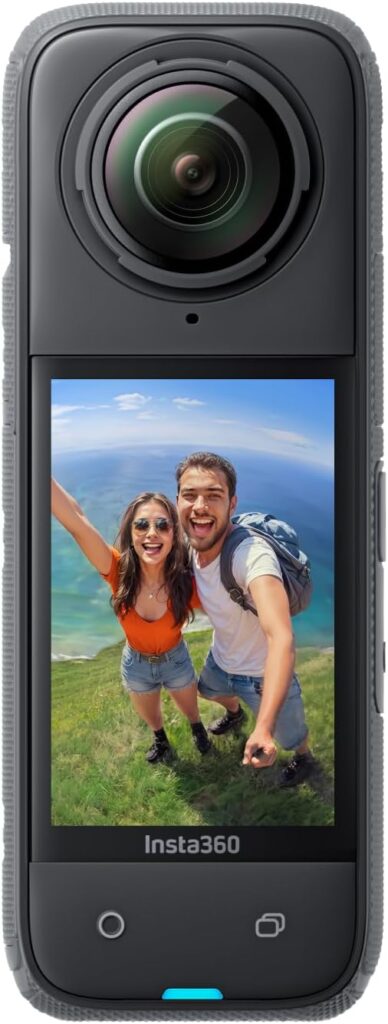
If you want the best all-around 360 camera, the Insta360 X4 is it.
Specs:
- Resolution: 8K 360 video
- Stabilization: FlowState
- Waterproof: Up to 33ft (10m) without a case
- Battery: ~135 minutes
Pros:
- Exceptional image quality
- Outstanding stabilization
- Large touchscreen UI
- Removable lens guards
Cons:
- Slightly bulky
- Premium price
Best For: Vloggers, content creators, travelers who want the best mix of quality and usability.
2. GoPro MAX – Best for Action Sports
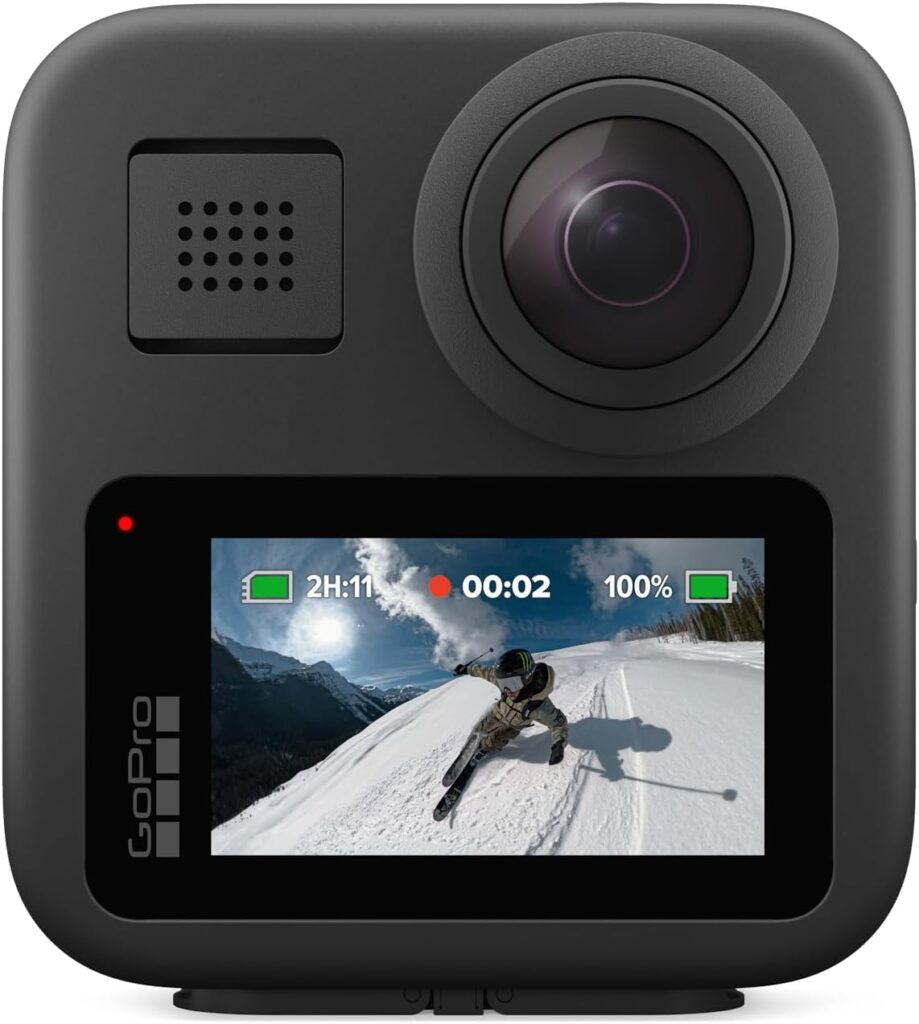
GoPro knows action, and the GoPro MAX delivers rugged 360 capture with GoPro’s signature polish.
Specs:
- Resolution: 5.6K 360 video
- Stabilization: Max HyperSmooth
- Waterproof: 16ft (5m) without housing
- Battery: ~85 minutes
Pros:
- Built like a tank
- Great audio with 6 mics
- Intuitive UI
- Great mobile app
Cons:
- Not as high-res as others
- Stitching can be hit-or-miss
Best For: Action sports, adventure travel, mountain biking, snowboarding.
3. Insta360 ONE RS 1-Inch 360 Edition – Best for Professionals
Co-engineered with Leica, this is a powerhouse for pros.
Specs:
- Resolution: 6K 360 video
- Sensor: Dual 1-inch sensors
- Battery: ~90 minutes
- Waterproof: No (unless in a case)
Pros:
- Unmatched dynamic range
- Low-light beast
- Pro editing tools
Cons:
- Pricey
- Not waterproof out of the box
Best For: Cinematographers, commercial VR work, high-end real estate.
4. Ricoh Theta Z1 – Best for Real Estate & VR Photography
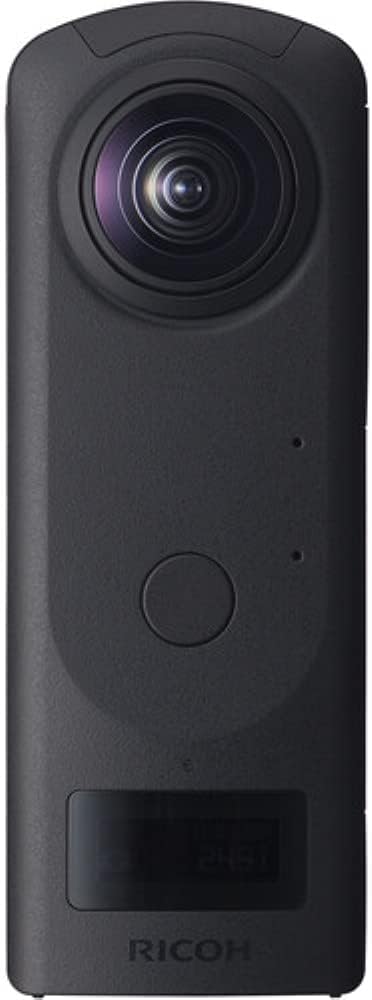
The Ricoh Theta Z1 is king for still 360 photos thanks to its large sensor and RAW shooting.
Specs:
- Resolution: 23MP 360 photos
- RAW + JPEG capture
- 4K video
- Battery: ~60 minutes
Pros:
- Stunning photo quality
- Compact
- Pro-level controls
Cons:
- Expensive for limited video
- Short battery life
Best For: Real estate tours, Google Street View, 360 photo pros.
5. Insta360 GO 3 – Best Pocket-Sized 360 Camera
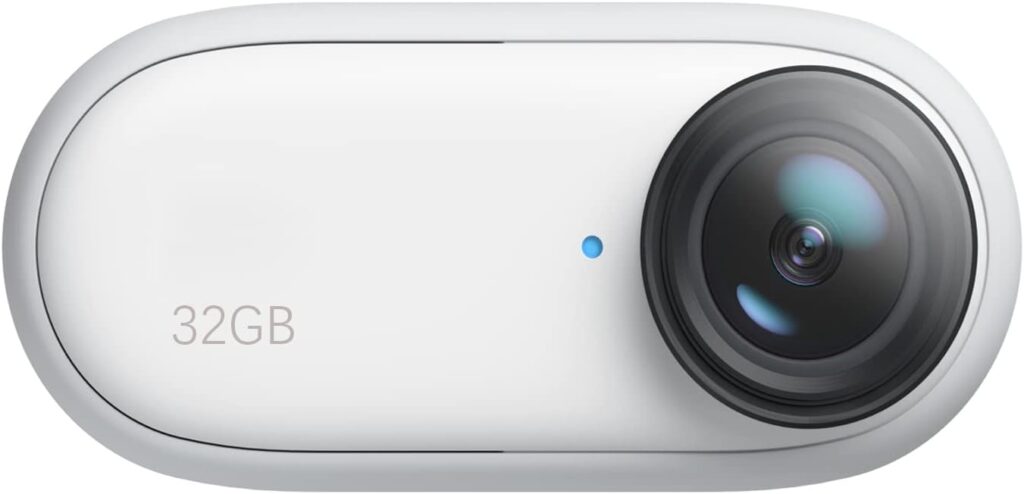
While technically not a “true” 360 camera (it’s more of an ultra-wide POV cam), the Insta360 GO 3 is a tiny powerhouse for casual creators.
Specs:
- Resolution: 2.7K
- Magnetic mount system
- Waterproof camera body
Pros:
- Insanely small and light
- Versatile mounting
- Great for vlogging
Cons:
- Not full 360
- Limited battery on the camera alone
Best For: Daily vlogs, Instagram, TikTok, travel.
6. Kandao QooCam 8K – Best for High-Resolution Video
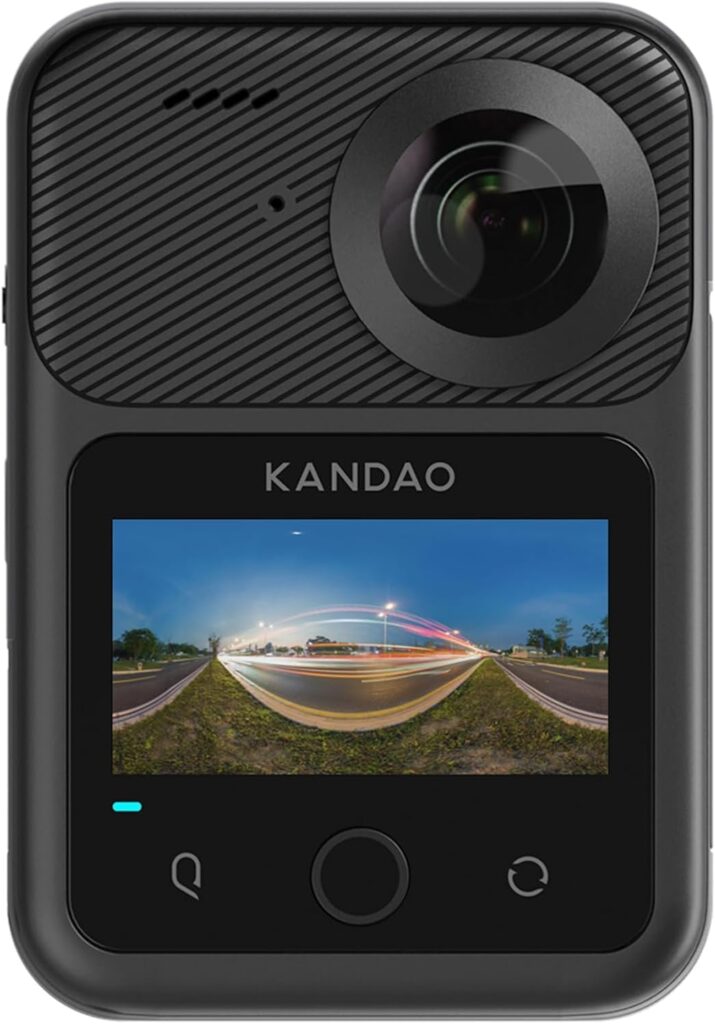
Want cinema-level 360 footage? The QooCam 8K delivers.
Specs:
- Resolution: 8K video
- 1/1.7” sensors
- Battery: ~90 minutes
Pros:
- Stunning resolution
- ProRes support
- Large touchscreen
Cons:
- Pricey
- Limited waterproofing
Best For: VR filmmakers, immersive B-roll, product videos.
7. Samsung Gear 360 (2017) – Best Budget Option
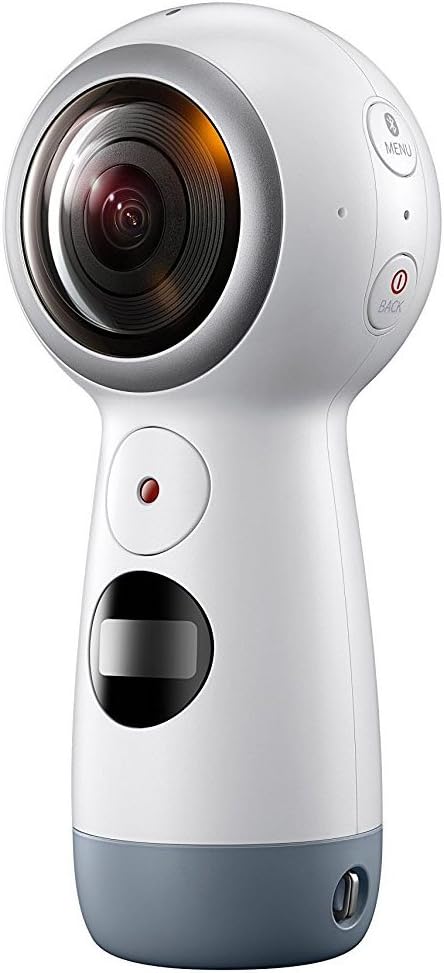
Hard to find nowadays, but the Samsung Gear 360 (2017) is still a solid budget option.
Specs:
- Resolution: 4K video
- Waterproof: Splashproof only
Pros:
- Very affordable (used market)
- Good app
- Easy to use
Cons:
- Discontinued
- Only works well with Samsung phones
Best For: Beginners, budget-conscious hobbyists.
Best 360 Camera by Use Case
Vlogging & YouTube Content Creation
Top Pick: Insta360 X4
Why: Versatile reframing, amazing stabilization, 8K detail.
Adventure Sports & Outdoor Use
Top Pick: GoPro MAX
Why: Tough build, HyperSmooth, GoPro mounting ecosystem.
Real Estate & Virtual Tours
Top Pick: Ricoh Theta Z1
Why: Pro-level 360 photography in compact size.
Social Media & Travel
Top Pick: Insta360 GO 3
Why: Super portable, magnetic mounts, easy editing.
Professional VR Content & Filmmaking
Top Pick: Kandao QooCam 8K or Insta360 ONE RS 1-Inch
Why: High-end sensors, ProRes, dynamic range.
Live Streaming
Top Pick: Insta360 X4
Why: Stream-ready out of the box, excellent app support.
Recommended Accessories for 360 Cameras
- Selfie Stick (invisible) – Key for that “floating camera” look.
- Extra Batteries / Power Bank – Especially for longer shoots.
- Protective Lens Guards – Essential for action use.
- Tripod / Monopod – Ideal for real estate and static shots.
- Waterproof Case – For diving, surfing, or extreme sports.
How to Choose the Right 360 Camera for You
Ask yourself:
- What will I shoot most? (Travel, sports, real estate, vlogs?)
- What’s my budget? ($200–$1000+ options exist)
- Do I need pro features? (RAW photos, ProRes, etc.)
- Is portability key? (Smaller cameras trade features for size)
- Do I need waterproofing or ruggedness?
Make a short list based on your use case, and compare features that matter most to you…whether it’s 8K video, mobile app control, or simple plug-and-play ease.
Conclusion
360 cameras have come a long way. Whether you’re chasing powder down a ski slope, capturing breathtaking drone-style selfies without a drone, or shooting a 360 VR film, there’s a model made for your mission.
Top Recommendations Recap:
- Best Overall: Insta360 X4
- Best for Action: GoPro MAX
- Best Pro Camera: Insta360 ONE RS 1-Inch
- Best Budget: Samsung Gear 360
- Best for Photos: Ricoh Theta Z1
Got questions? Drop a comment below. I love hearing from fellow creators and helping people find the perfect gear.
- Related Reads:
We may earn from qualifying purchases from Amazon. Learn more here.