The Ultimate Guide to Choosing the Best Hiking Shoes

Finding the best hiking shoes can feel a little overwhelming at first. There are so many models, styles, and features that it is easy to get lost in the jargon. Over the years, I have learned through both great experiences and a few blister filled mistakes that the right pair of shoes can completely change how enjoyable hiking feels. Good footwear supports your feet, keeps you stable, and lets you focus on the scenery rather than how much your toes hurt. Whether you are heading out for your first local trail or preparing for a multi day trip, choosing the right hiking shoes is one of the smartest investments you can make.
In this guide, we will break down the types of hiking footwear, the key features that matter most, and how to choose the best pair for both your terrain and your hiking style. I will also share top recommendations based on performance, durability, comfort, and value. By the end, you will have everything you need to confidently pick your next pair of hiking shoes.
Types of Hiking Footwear
Different hikers have different needs. Before getting into features and terrain, let us look at the four major categories of hiking footwear. Each type offers its own benefits and drawbacks.
Trail Runners
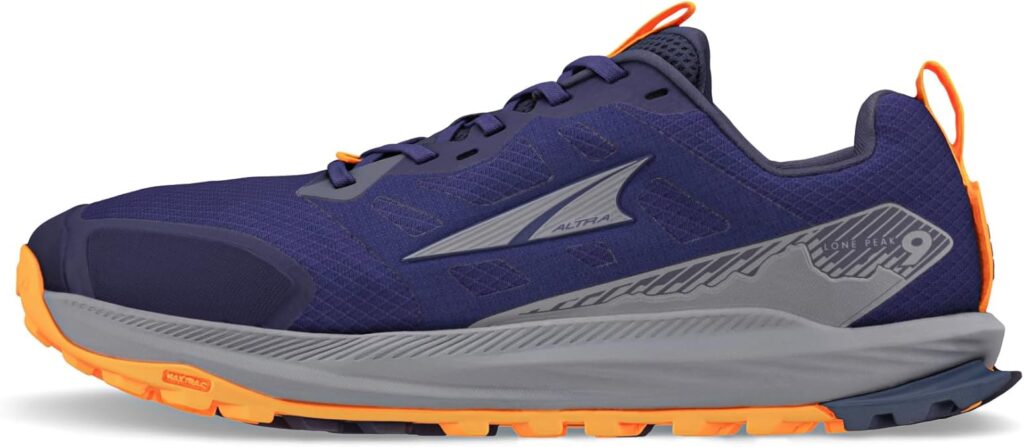
Trail runners have exploded in popularity among hikers in recent years. They look like athletic running shoes, just built tougher with deeper treads. If you want to explore a few dependable options, the Altra Lone Peak series is a great place to start.
Ideal Uses
Trail runners shine on maintained trails, dry ground, and long distances where comfort and speed matter. They are also a favorite among thru hikers because they are lightweight and require very little break in time.
Pros
- Extremely lightweight
- Comfortable right out of the box
- Excellent for long distances
- Great breathability
- Faster drying than waterproof boots
Cons
- Less ankle support
- Not as durable under heavy loads
- Can wear out faster than boots
- Limited protection on very rocky terrain
Hiking Shoes
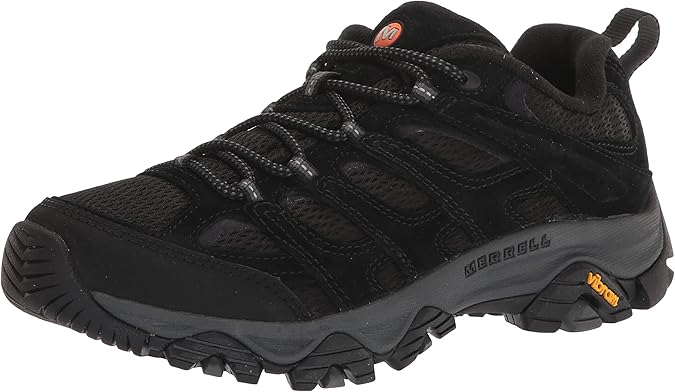
Hiking shoes are the middle ground between trail runners and hiking boots. They offer more durability and protection than trail runners while staying lighter and more flexible than boots. Models like the Merrell Moab 3 are excellent for everyday hikers.
Ideal Uses
They work well on most everyday trails, rocky paths, and day hikes. They are a solid choice for hikers who want dependable comfort without the bulk of full boots.
Pros
- Good balance of comfort and durability
- Better protection than trail runners
- Suitable for most trail conditions
- Less weight and stiffness compared to boots
Cons
- Still limited ankle support
- Not ideal for very heavy packs
Hiking Boots
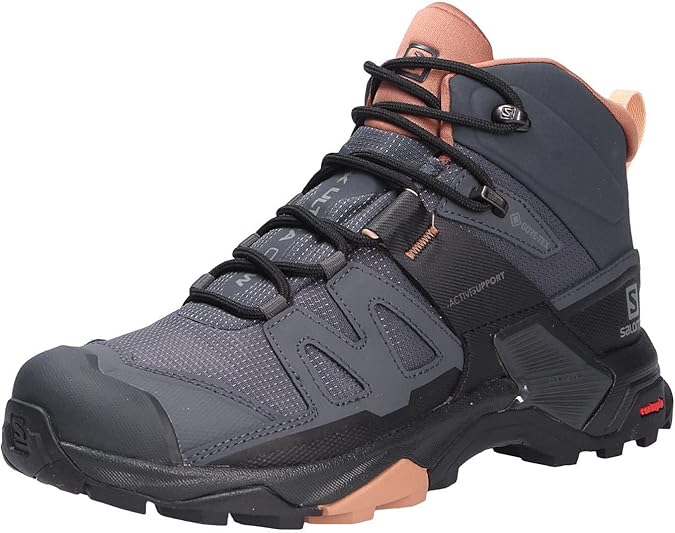
Traditional hiking boots provide the most support and protection. They come in mid or high cut designs that wrap around the ankle for added stability. A reliable option is the Salomon X Ultra 4 Mid GTX.
Ideal Uses
Hiking boots excel on rugged terrain, loose rocks, steep climbs, and multi day backpacking trips where you carry a heavier load.
Pros
- Strong ankle support
- Excellent protection on rocky or uneven terrain
- More durable for long term use
- Better suited for heavy backpacking
Cons
- Heavier than trail runners or hiking shoes
- Longer break in period
- Can feel warm in hot climates
Key Features to Consider
Once you have a general idea of the footwear type that suits you, it helps to understand the features that impact comfort and performance.
Cushioning and Support
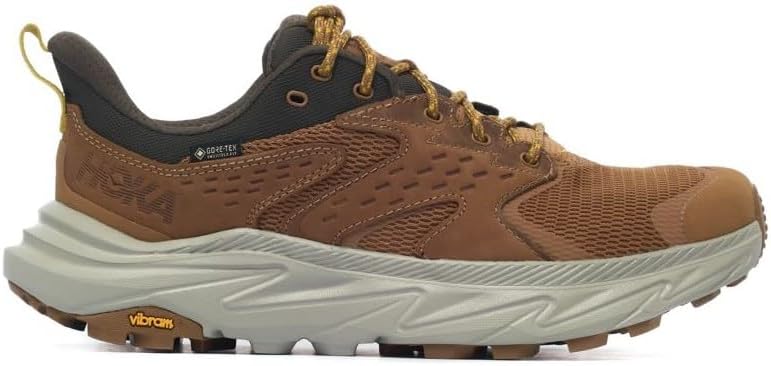
Cushioning absorbs impact. Support helps stabilize your foot on uneven terrain.
- Trail runners have the most cushioning and least structure.
- Hiking shoes offer moderate cushioning and stability.
- Boots provide the strongest support through firmer midsoles and higher ankle wraps.
If you have a history of ankle injuries or you carry a heavy pack, more support can make a big difference. For balanced cushioning and stability, many hikers turn to the HOKA Anacapa Low GTX.
Traction and Outsole Design
A shoe’s outsole determines how well it grips various surfaces.
Key points:
- Deep lugs help on muddy trails.
- Sticky rubber grips rock better.
- Wider spaced lugs shed mud more easily.
Vibram outsoles are a gold standard for durability and grip, but many brands now use excellent proprietary rubber blends too. You can explore shoes that use Vibram rubber on this Vibram featured collection.
Waterproof vs Non Waterproof
Waterproof shoes use membranes like Gore Tex to block water from entering. They are a great choice for wet climates or for hikers who dislike soggy feet.
If you often hike in wet terrain, a waterproof option like the La Sportiva Spire GTX is worth considering.However, they have trade offs.
Waterproof Advantages
- Keep feet dry in rain and shallow water
- Add insulation on cold days
Waterproof Drawbacks
- Poorer breathability
- Take longer to dry if they get soaked
- Can feel warm in hot weather
Non waterproof shoes breathe better, dry faster, and feel cooler. They are ideal for hot climates and for hikers who do not hike in very wet conditions.
Weight
The lighter the shoe, the less fatigue you feel over long distances. Ultralight hikers often browse models like the Altra Lone Peak 8 for maximum efficiency.
Trail runners are the lightest. Boots are the heaviest. For long thru hikes, many people prioritize weight heavily. For technical terrain, durability and support can matter more.
Durability and Construction
Durability often depends on materials and intended use. Boots and approach shoes typically last longer than trail runners, especially on rugged terrain.
Look for:
- Reinforced toe caps
- High quality stitching
- Tough mesh or leather uppers
If you hike regularly, investing in a shoe built to last can save money in the long run.
Foot Shape and Gait Considerations
Everyone has a unique foot shape. Some shoes are narrow. Others have a naturally roomy toe box. Some are better for high arches or flat feet.
Think about your:
- Arch height
- Natural pronation
- Toe splay
- Any history of plantar fasciitis or knee pain
If in doubt, a professional gait assessment at a running or outdoor store can be incredibly useful.
How to Choose Based on Terrain
Terrain has a major influence on what footwear will feel best.
Desert or Dry Trails
Dry trails with sand or hard packed dirt favor breathable shoes. Trail runners and lightweight hiking shoes are ideal. Waterproofing is not essential here because breathability matters more.
Options like the Altra Lone Peak series shine in warm climates.
Rocky Trails
Rocky terrain calls for more protection and grip. The La Sportiva TX4 EVO is an excellent choice for rocky scrambles.
Hiking shoes or boots with a sturdy midsole shine in these conditions. Approach shoes also work well on rocky scrambles.
Muddy or Wet Forests
Muddy trails require deep lugs and stability. Waterproof hiking shoes or boots help keep feet dry. Wider spaced lugs prevent mud from clumping.
Consider models like the Salomon X Ultra 4 GTX.
Snow or Icy Conditions
Waterproof boots with aggressive traction work best for snow and ice. Some hikers add microspikes for extra grip on winter trails.
The Arc’teryx Aerios FL 2 GTX performs well across diverse terrain.
Mixed Terrain and Multi Day Hikes
If you expect a mix of dirt, rock, mud, and river crossings, choose a durable hiking shoe or boot with good traction. Multi day hikes often call for more support due to the added pack weight.
Top Recommendations
Below are excellent options across different categories. These are trusted models with strong performance and dependable quality.
1. Best Overall Hiking Shoe: Salomon X Ultra 4 GTX
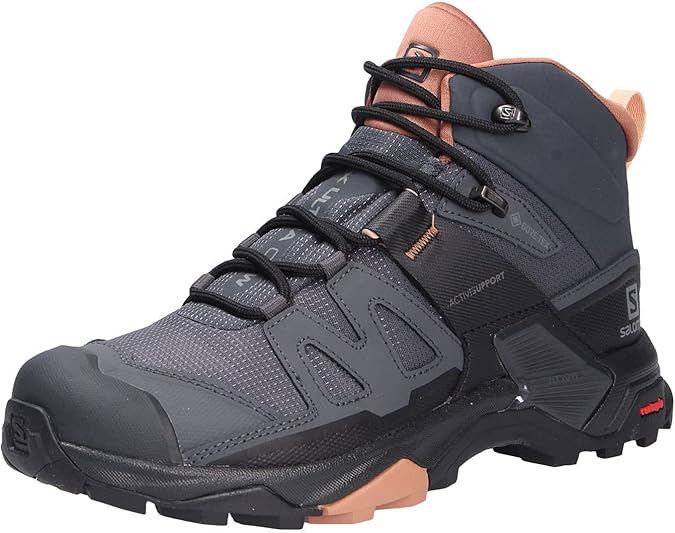
The Salomon X Ultra 4 GTX is a favorite for many hikers because it balances support, stability, and comfort. It handles a wide range of terrain, and the Gore Tex membrane keeps feet dry while still offering decent breathability. The chassis design gives great stability on uneven trails without feeling heavy.
2. Best Lightweight Option: Altra Lone Peak 8
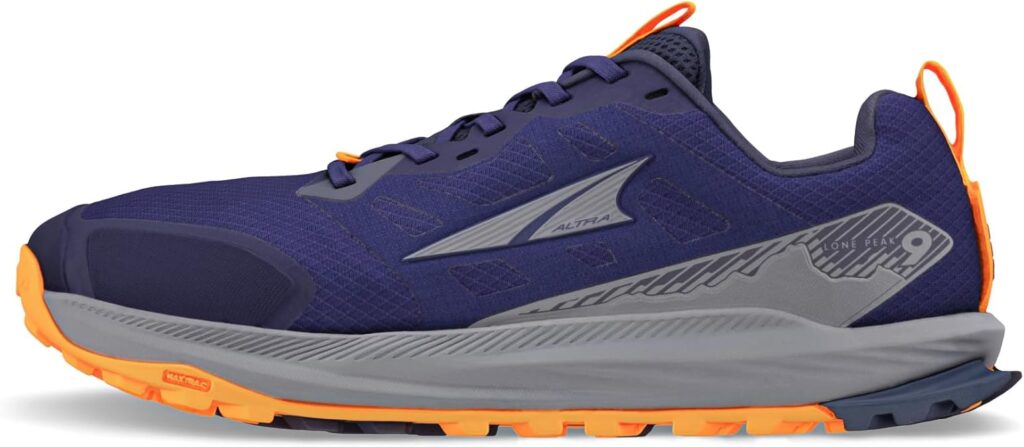
Known for its roomy toe box and zero drop design, the Lone Peak inspires a natural stride and is incredibly comfortable on long distances. It is a preferred shoe among thru hikers and anyone who wants maximum comfort at a minimal weight.
3. Best Waterproof Option: La Sportiva Spire GTX
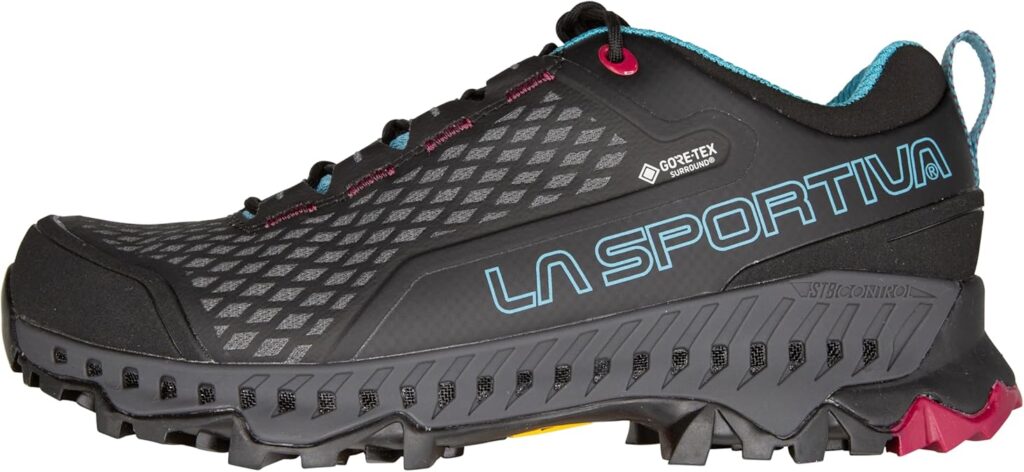
The Spire GTX is breathable for a waterproof shoe thanks to Gore Tex Surround technology. It offers firm support, excellent traction, and impressive durability. Perfect for wet climates or muddy forest trails.
4. Best for Wide Feet: HOKA Anacapa Low GTX (Wide)
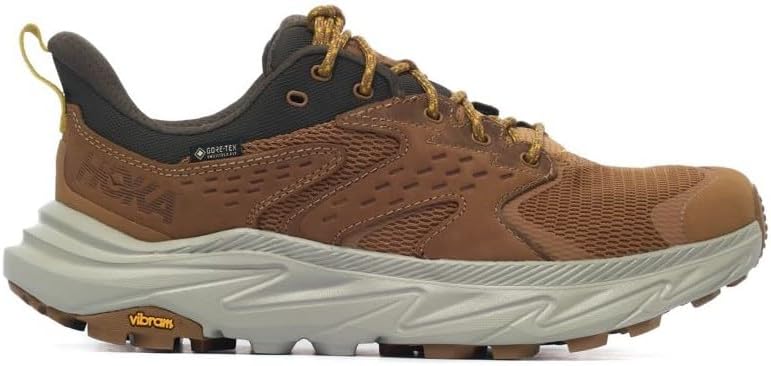
HOKA offers generous cushioning and a naturally wide platform. The Anacapa Low GTX brings a plush ride, waterproof protection, and a stable feel. If you need extra toe room, this is one of the most comfortable options available.
5. Best Value Pick: Merrell Moab 3
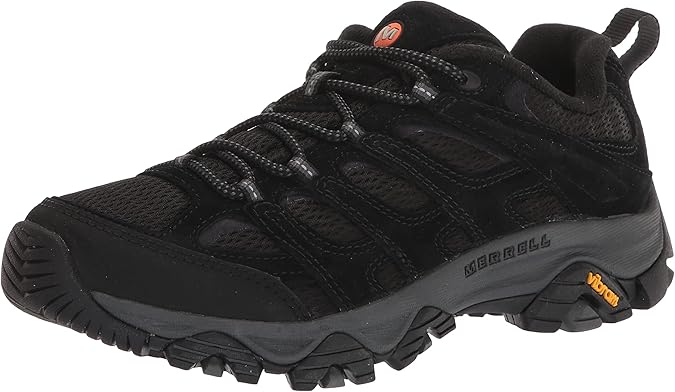
The Moab 3 is one of the most popular hiking shoes for good reason. It is affordable, dependable, and comfortable. It may not have the high tech features of premium models, but it offers exceptional value and lasts well for the price.
6. Best Premium Choice: Arc’teryx Aerios FL 2 GTX
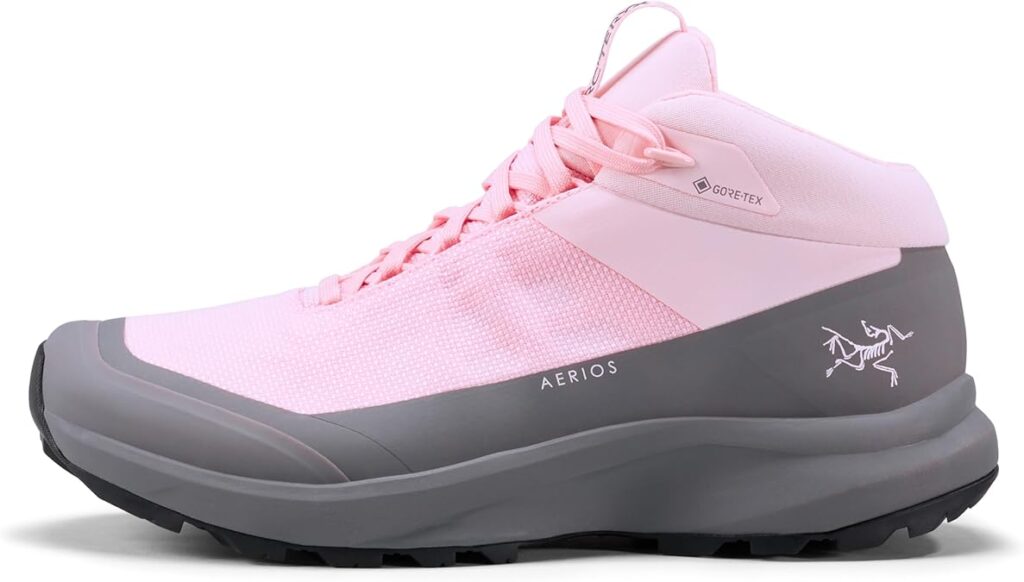
The Arc’teryx Aerios FL 2 GTX blends sleek design with technical performance. It hugs the foot securely, offers excellent waterproofing, and performs well on rugged trails. If you want top tier craftsmanship and are willing to invest, this is a standout choice.
7. Best for Rugged Terrain: La Sportiva TX4 EVO
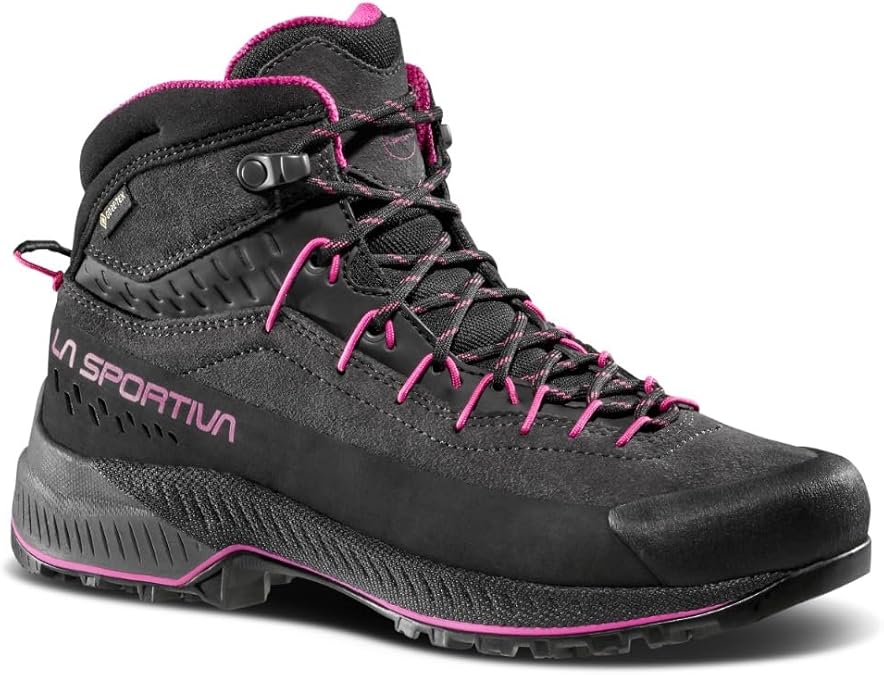
La Sportiva TX4 EVO approach style grips rock incredibly well due to its sticky rubber outsole. It is stable, durable, and ideal for hikers who tackle technical terrain regularly.
8. Best for Beginners: Keen Targhee III Low
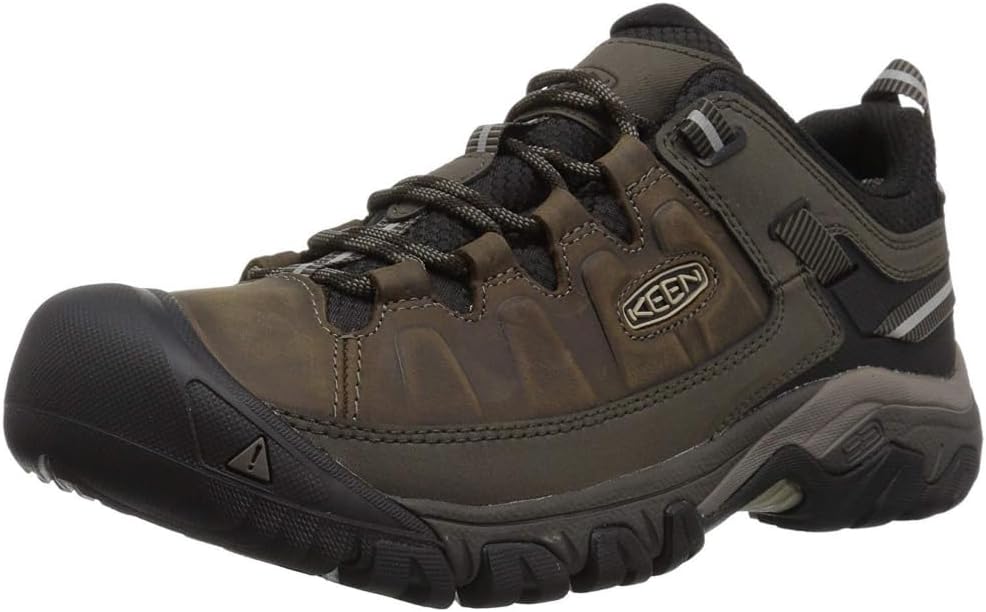
Beginners love the Keen Targhee III Low for its comfort, stability, and wide fit. It does not require a long break in period and performs well across typical day hike terrain.
Conclusion
The best hiking shoes are the ones that match your feet, your terrain, and your hiking style. There is no single perfect shoe for everyone. Some hikers prefer light trail runners. Others need the support of a sturdy boot. The key is knowing what features matter most for your comfort and safety.
Take your time when choosing. Try on multiple models if possible, walk around, test the feel, and trust what your feet tell you. A good pair of hiking shoes can make every mile more enjoyable. Whether you are exploring local trails, planning weekend adventures, or dreaming of long distance hikes, the right footwear will help you move with confidence and comfort.
If you ever want personalized guidance based on your foot shape, destination, or hiking goals, feel free to ask. I would be glad to help you narrow down the perfect pair.
We may earn from qualifying purchases from Amazon. Learn more here.