The Ultimate Guide to Solar Phone Chargers
In our ever-connected world, staying charged on the go is more important than ever. Whether you’re hiking through the wilderness, traveling off-grid, or simply want an eco-friendly backup for emergencies, solar phone chargers offer a powerful and sustainable solution. But with so many options on the market, choosing the right one can feel overwhelming.
Don’t worry. I’ve got you covered. Drawing from personal experience and deep research, this guide will walk you through everything you need to know about solar phone chargers. From the types available and how they work, to what features really matter and my top product picks, you’ll be well-equipped to make a confident purchase.
Types of Solar Chargers
Before diving into specs and comparisons, let’s break down the three main types of solar chargers you’ll encounter.
Portable Solar Panels
These are larger, standalone panels that you can set up outside — think the size of a small briefcase or even bigger. They’re often foldable but designed to capture as much sunlight as possible to generate higher power output. Check out the Anker Solix PS30 Solar Panel for a reliable option.
- Best for: Camping trips, outdoor events, and powering multiple devices or bigger gadgets.
- Pros: High charging capacity, efficient in sunny conditions.
- Cons: Less portable, can be bulky to carry around daily.
Foldable Solar Chargers
These compact chargers fold down to a small size for easy storage and portability. Usually, they consist of 3 to 4 panels connected with fabric or hinges. A popular choice is the BigBlue 28W Solar Charger.
- Best for: Hikers, backpackers, and travelers who need a balance between portability and power.
- Pros: Lightweight, easy to pack, decent charging speed.
- Cons: Slightly less power output than large panels, depends on sunlight exposure.
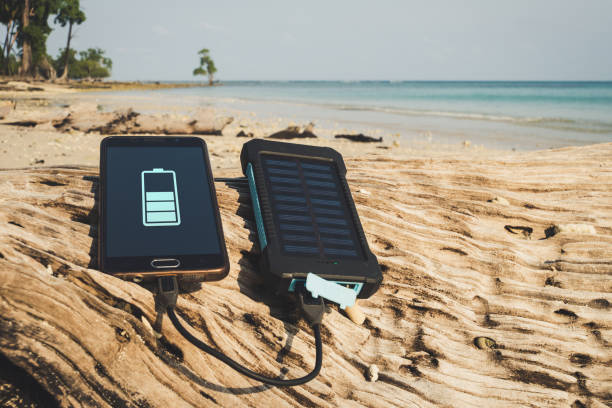
Solar Power Banks
Solar power banks combine a rechargeable battery with a small solar panel, letting you store energy during the day to charge your devices later even at night or indoors. I recommend the X-DRAGON Solar Power Bank 24000mAh for its large capacity and durability.
- Best for: Everyday use, emergencies, and situations where you might not get direct sun all the time.
- Pros: Portable, stores power, convenient USB charging.
- Cons: Solar panels on these are usually small and slow to charge the internal battery.
How Solar Charging Works: The Science Behind It
You might be wondering, how does a solar phone charger actually convert sunlight into usable electricity?
It all comes down to photovoltaic (PV) cells. Small layers of semiconductor materials, usually silicon, inside the solar panels. When sunlight hits these cells, it excites electrons, creating an electrical current. This current is then harnessed and either directly used to charge your device or stored in a battery for later.
Here’s a simple step-by-step:
- Sunlight hits the solar cells.
- Photons excite electrons in the cells, creating electricity.
- The current flows through the charger’s circuit to output power.
- Electricity charges your device or stores in an internal battery.
Because solar panels depend on sunlight, the amount and intensity of sunlight greatly affect charging speed and efficiency. That’s why understanding solar panel specs is crucial when shopping.
Key Features to Consider When Buying a Solar Phone Charger
Let’s get into the nitty-gritty. What really makes a solar charger good or bad? Here’s what to look for.
Charging Speed
Nobody likes waiting hours for their phone to charge. Charging speed depends on two factors:
- Wattage of the solar panel: Higher wattage means faster power generation.
- Number of output ports: Can you charge multiple devices simultaneously without slowing down?
For quick charging, aim for panels rated 10W or higher. For power banks, a high-capacity battery combined with a decent panel improves convenience.
Efficiency of Solar Panel
This is a measure of how well the solar cells convert sunlight into electricity, expressed as a percentage.
- Higher efficiency (20%+) means better performance even on cloudy days or indirect sunlight.
- Most affordable chargers have 10-18% efficiency, which is okay for bright sunny conditions but struggles in low light.
Investing in high-efficiency panels can be a game-changer, especially if you’ll be outdoors in variable weather.
Portability and Design
Consider how often and where you’ll use the charger:
- Weight and size: Are you backpacking light? Then go for compact, foldable designs.
- Form factor: Some chargers clip onto backpacks; others unfold and need a flat surface.
A sleek, lightweight charger is more likely to get used regularly, so don’t overlook design.
Durability and Build Quality
When you’re outdoors, your gear takes a beating. Look for chargers that are:
- Waterproof or water-resistant
- Shockproof and drop-resistant
- Dustproof
Brands like Goal Zero offer rugged, durable options that withstand the elements.
Battery Capacity (For Solar Power Banks)
If your charger has an internal battery, check its capacity measured in milliampere-hours (mAh).
- Higher capacity (20,000mAh or more) means more stored energy to charge multiple devices.
- Battery capacity affects how long your devices can stay powered without sunlight.
Compatibility with Devices
Ensure your charger supports a wide range of devices:
- Most chargers output 5V USB power, compatible with smartphones, tablets, cameras, and even some laptops.
- Some also offer fast charging standards like Qualcomm Quick Charge or USB-C Power Delivery.
Additional Features
Some solar chargers come with handy extras:
- Built-in LED flashlights for emergencies
- Multi-device charging ports
- Digital displays showing battery level or charging status
- Kickstands or hooks for easy setup
These can enhance usability, especially for outdoor enthusiasts.
Top 5 Best Solar Phone Chargers
After testing and reading countless reviews, here are my top picks for solar phone chargers that deliver in different scenarios.
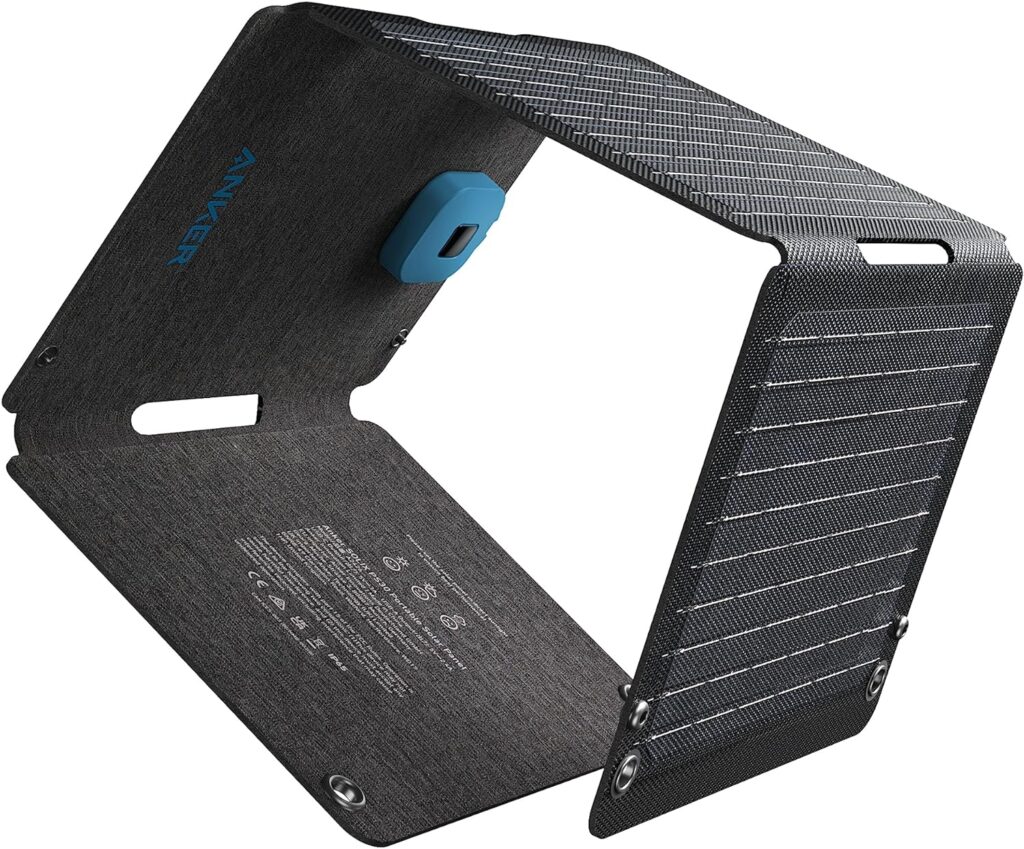
1. Anker Solix PS30 Solar Panel, 30W
Key Features:
- 30 watts of power, three USB output ports
- High-efficiency monocrystalline solar cells (~22%)
- Foldable and lightweight design
- Waterproof and durable build
Charging Speed: Fast, can charge multiple devices simultaneously with smart IC technology.
Pros:
- Excellent power output for size
- Durable and weather-resistant
- Great for camping or RV trips
Cons:
- No built-in battery, requires direct sunlight to charge
Why It’s Great: Perfect for outdoor adventurers who want a reliable, powerful solar panel to charge phones, tablets, and even laptops.
Check latest price & reviews on Anker Solix PS30 here.
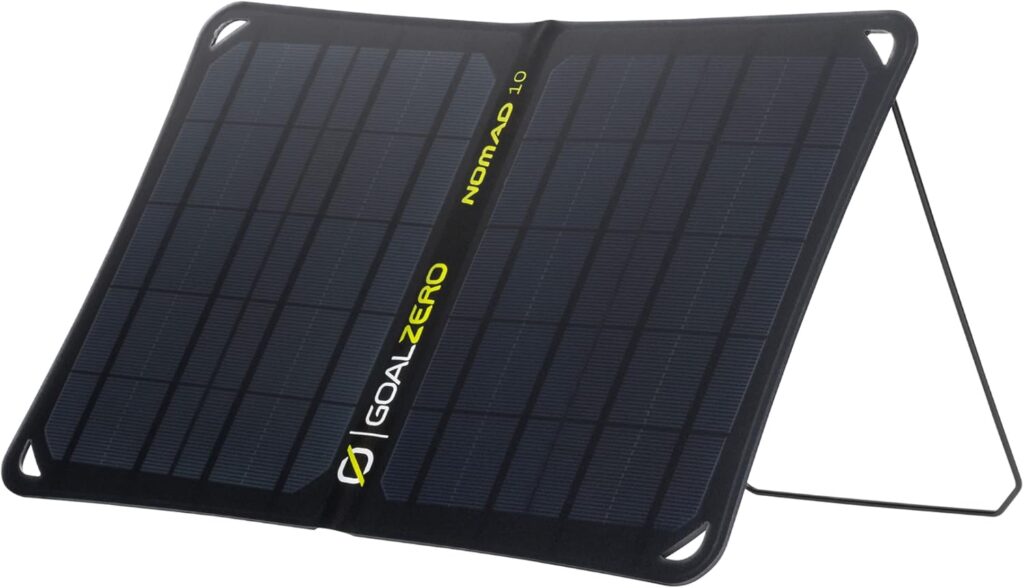
2. Goal Zero Nomad 10
Key Features:
- 10-watt panel, foldable design
- Weather-resistant with rugged casing
- USB output for phones and small devices
- Can connect to Goal Zero power banks for storage
Charging Speed: Moderate; best for charging small devices or topping off batteries.
Pros:
- Lightweight and portable
- Durable for harsh conditions
- Compatible with Goal Zero ecosystem
Cons:
- Lower wattage, slower charging for large devices
Why It’s Great: Ideal for hikers and casual users who want a trusted brand and dependable backup power.
Find the Goal Zero Nomad 10 on sale here.
3. X-DRAGON Solar Power Bank 24000mAh
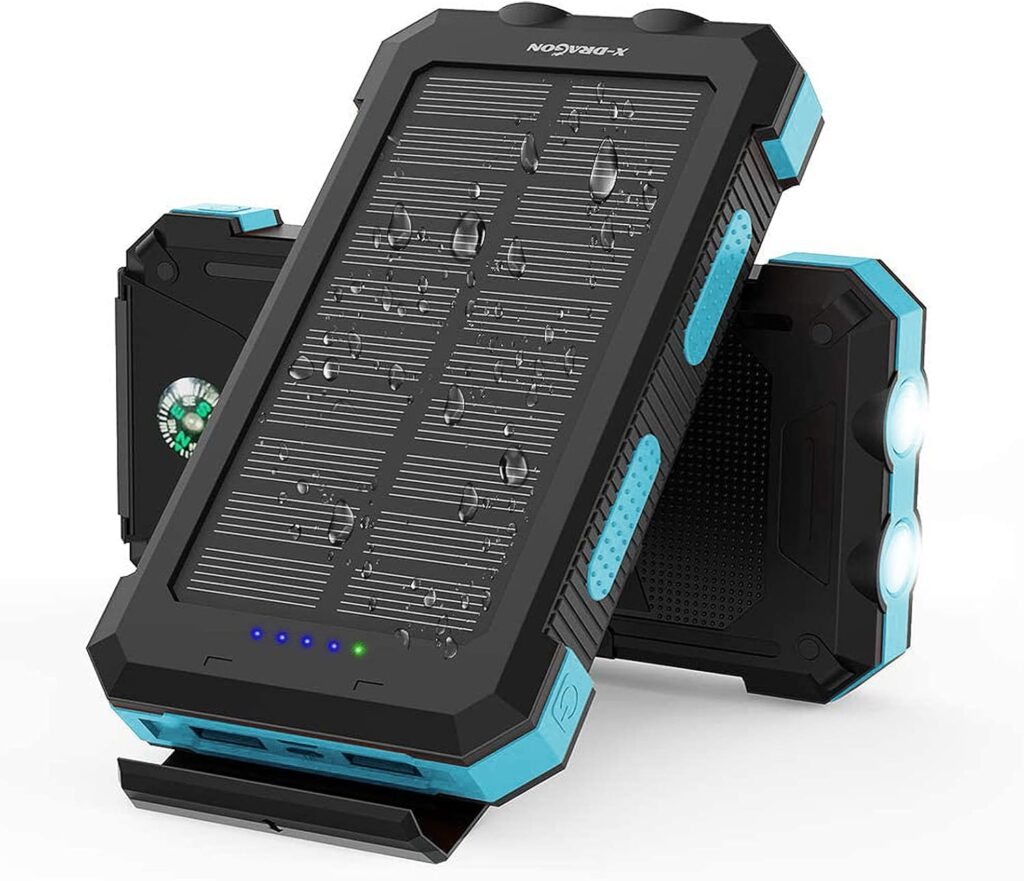
Key Features:
- 24,000mAh internal battery
- 5W solar panel built-in
- Dual USB ports with 2.1A output
- Waterproof and shockproof
Charging Speed: Fast when charged via USB, slow solar recharge.
Pros:
- Large battery for multiple charges
- Durable design for outdoors
- Can charge without sun if pre-charged
Cons:
- Solar panel is small and slow for recharging battery fully
Why It’s Great: Best for everyday users and emergency kits — solar is a bonus, but the large battery is the main power source.
Grab the X-DRAGON Power Bank here.
4. BigBlue 28W Solar Charger
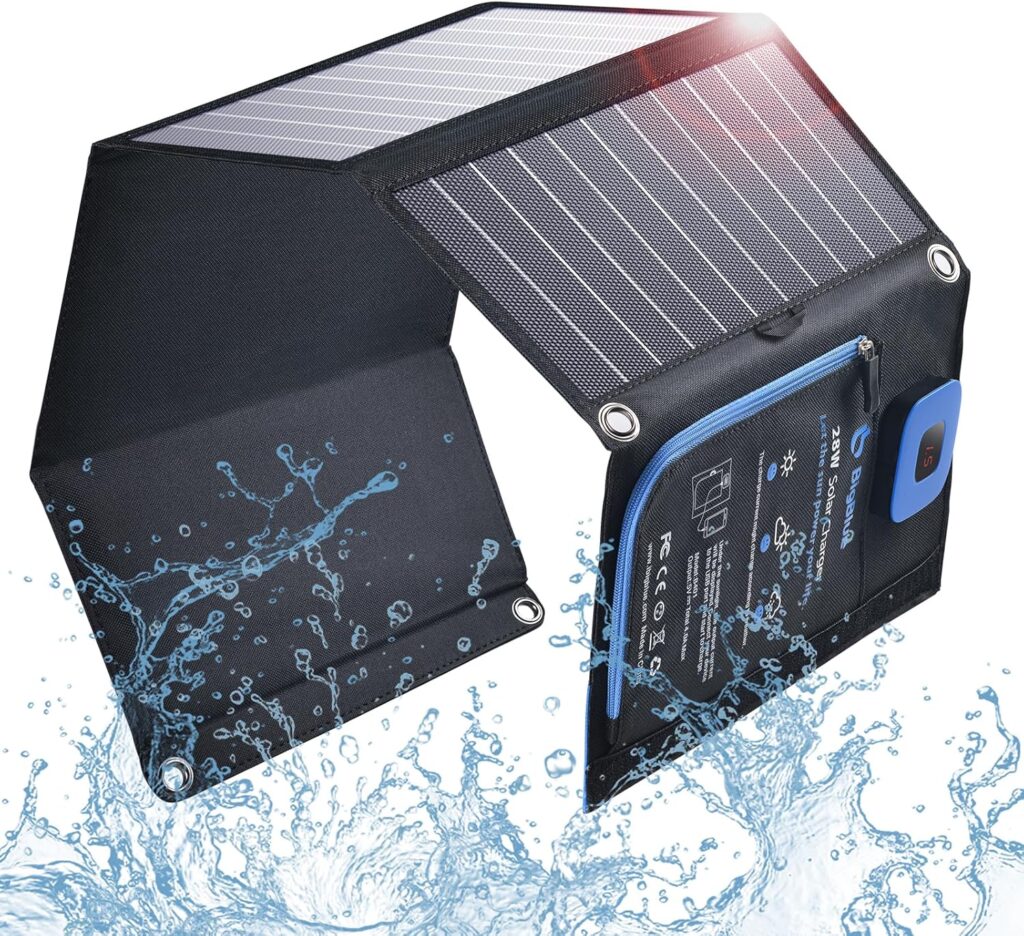
Key Features:
- 28 watts of power
- Foldable tri-panel design
- 23-26% efficient monocrystalline cells
- Dual USB ports with smart charging
Charging Speed: Very fast under bright sun.
Pros:
- Lightweight for power output
- High efficiency, great for cloudy days
- Comes with carabiners for easy attachment
Cons:
- No internal battery storage
Why It’s Great: Excellent for serious hikers and campers who want high power without the weight.
Buy the BigBlue 28W Solar Charger here.
5. RAVPower Solar Charger 24W
Key Features:
- 24 watts power output
- Dual USB output ports
- Foldable, water-resistant design
- SunPower solar cells (around 23.5% efficiency)
Charging Speed: Fast, can handle multiple devices.
Pros:
- Lightweight and compact
- Durable for outdoor use
- Great price point for performance
Cons:
- No battery storage
Why It’s Great: Balanced choice for travelers needing fast, reliable solar charging with ruggedness.
How to Choose the Best Solar Phone Charger for Your Needs
Here’s a quick checklist to help you decide what fits your lifestyle.
Consider Your Usage
- Everyday carry: Small solar power bank or foldable charger.
- Emergency preparedness: Solar power bank with large battery capacity.
- Outdoor adventures: High wattage foldable or portable panel with durable build.
Think About Charging Time
If you’re impatient or need quick juice for multiple devices, opt for higher wattage chargers or those supporting fast charging.
Size vs. Power
- Larger panels = more power, less portability.
- Smaller panels = easy to carry, slower charging.
Balance this based on how much you’ll carry and your power needs.
Weather and Climate
If you live or travel in areas with variable sunlight, high-efficiency panels and internal battery storage are worth the investment.
Conclusion
Solar phone chargers are a fantastic way to stay connected, power your devices sustainably, and be prepared for any situation—whether you’re deep in nature or navigating daily life. Remember:
- Choose the right type (panel, foldable, power bank) based on your lifestyle.
- Pay attention to charging speed, efficiency, portability, and durability.
- Consider whether you need battery storage for nighttime or cloudy days.
- Top brands like Anker, Goal Zero, BigBlue, and RAVPower offer reliable options.
If you’re an avid hiker or camper, I highly recommend the Anker Solix PS30 or BigBlue 28W for powerful and rugged charging. For everyday users or emergency kits, the X-DRAGON Solar Power Bank offers convenience with its large battery.
We may earn from qualifying purchases from Amazon. Learn more here.